
Projects:
Universality in high-dimensional regression
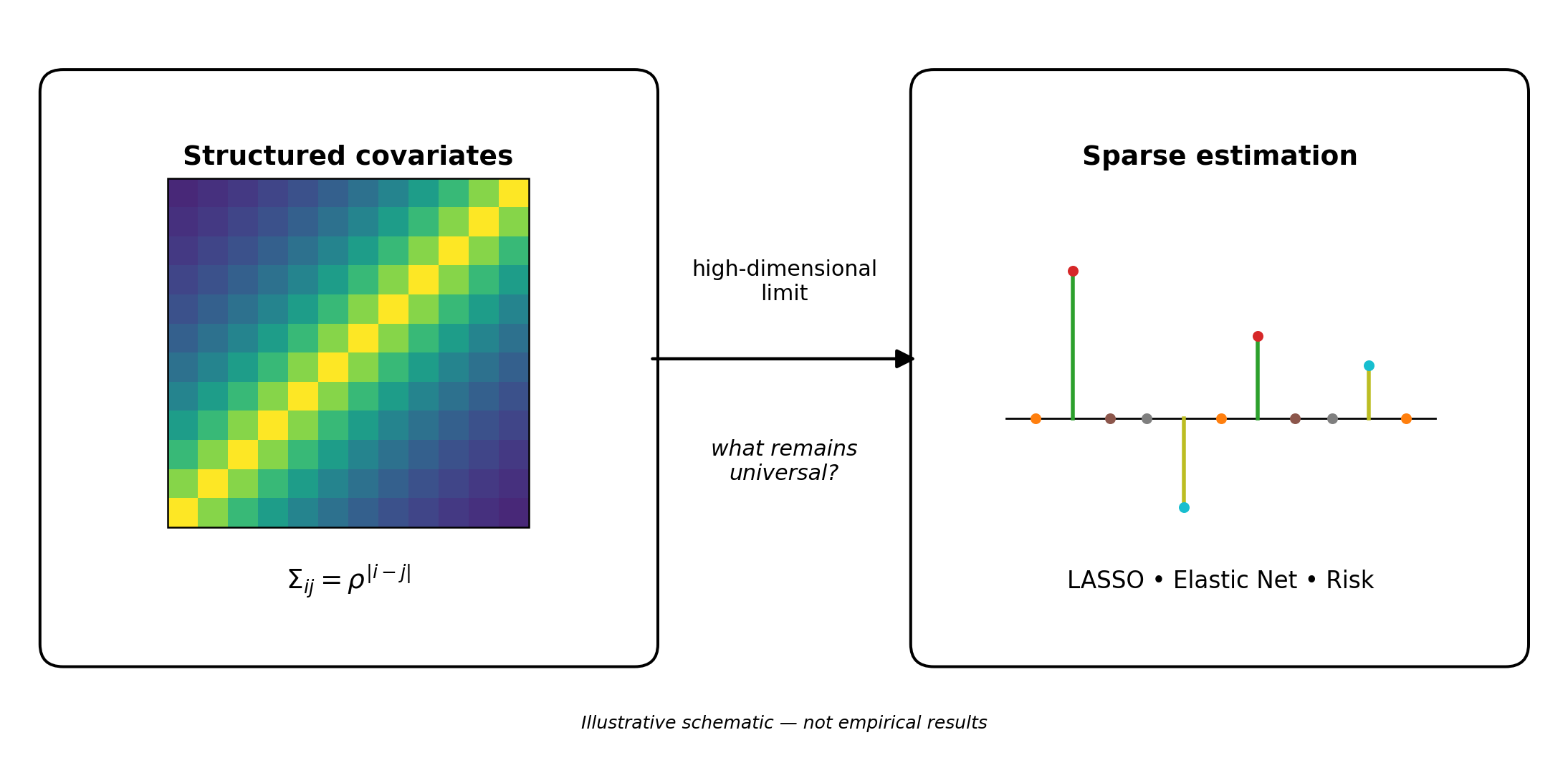
We investigate universality in the high-dimensional sparse regime with linear dependency. That is, when do certain properties for sparse estimators continue to hold under structured, linearly dependent covariates.
- Analyzing Lasso in sparse regimes with dependent covariate models.
- Investigating universality in high-dimensional regression and its implications for compressed sensing.
- Developing theoretical and simulation frameworks for sensing matrices with spatial and temporal dependence.
Related manuscript: Lasso Universality Under Linearly Dependent Covariates in the Sparse Regime .
Compressive sensing for massive MIMO detection
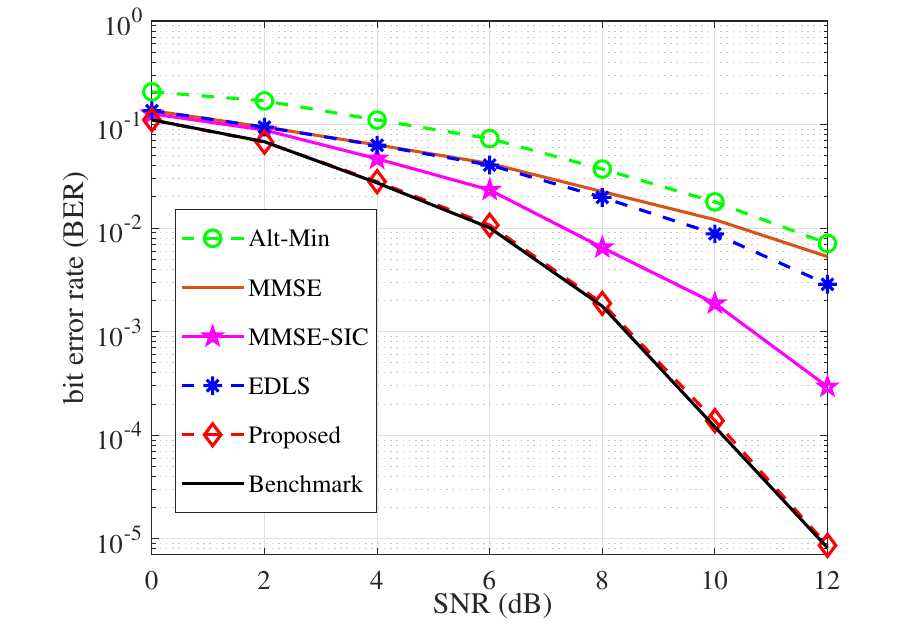
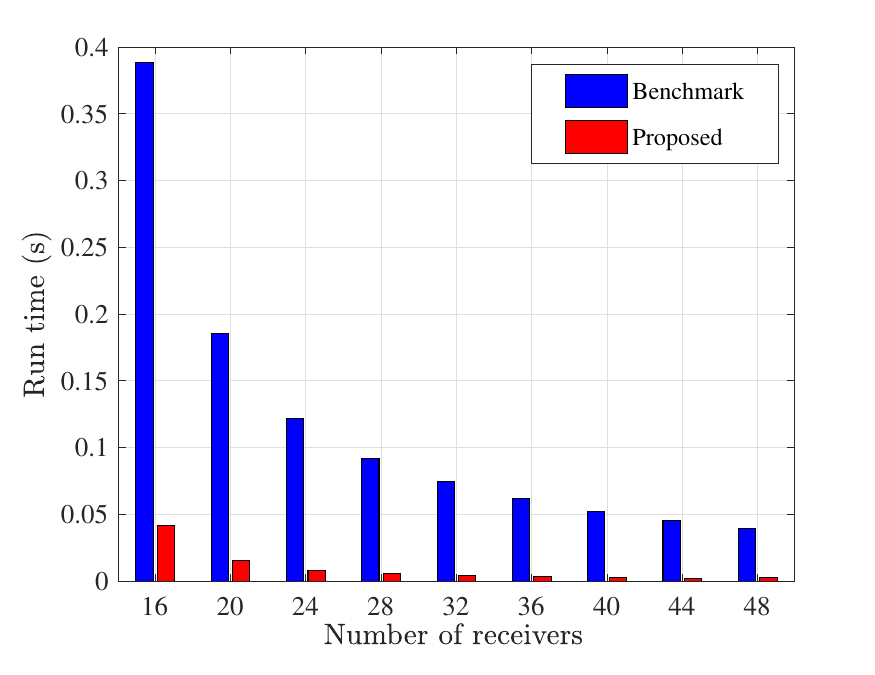
My undergraduate thesis at the University of Tehran developed a sparsity-based detector for uplink massive MIMO systems. The project formulated detection through sparse representation and implemented an iterative scheme designed for efficient runtime and low computational complexity.
Publication: Efficient Signal Detection via Compressive Sensing in Uplink Massive MIMO Systems.
Learning-based perception and generative models
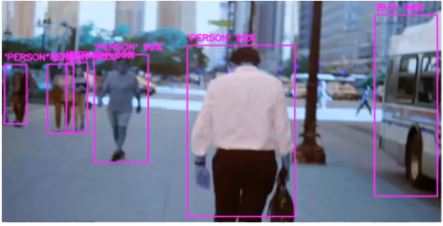
During a summer internship at HARA AI, I studied neural-network fundamentals and applied deep-learning methods to computer-vision tasks, including extending YOLOv7 to support rotated bounding boxes. My later coursework explored diffusion models, transformers, variational autoencoders, and generative adversarial networks.
- Projected diffusion planning for kinodynamic motion planning with optimization-based safety projection.
- Prompt-conditioned multimodal story and image generation.
- VAE-based chest X-ray generation and DCGAN-based WikiArt synthesis.